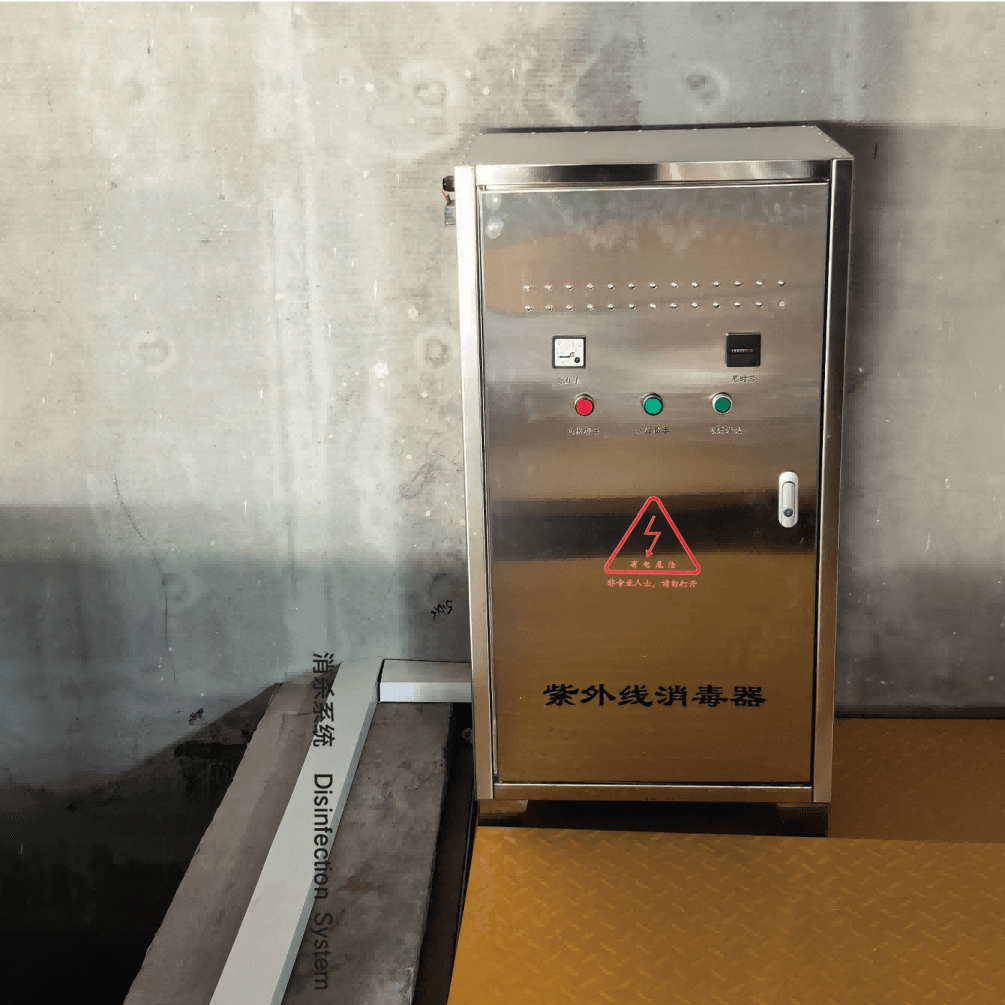
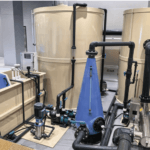
The ultraviolet (UV) disinfection machine used in Recirculating Aquaculture Systems (RAS) is a physical disinfection device that utilizes UV radiation to destroy the DNA/RNA structure of microorganisms, effectively inactivating them. It is widely applied in aquaculture, wastewater treatment, and other sectors to prevent and control the spread of pathogens, viruses, and bacteria.
The core function of the UV disinfector in RAS is to ensure water quality safety and system stability.
By operating within the UVC spectrum (typically 200–280 nm), UV directly damages the genetic material of microorganisms to achieve rapid inactivation. The inactivation rate for bacteria, viruses, and parasites can reach over 90%, and specifically exceeds 99.9% for Vibrio parahaemolyticus in mariculture applications.
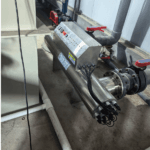
Pipeline-type UV Germicidal Lamp
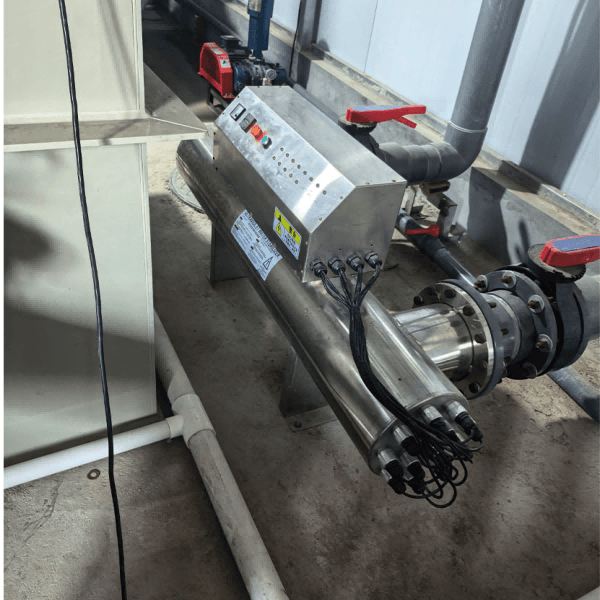
The pipeline-type UV sterilizer is installed directly into the water supply pipe of the circulating system. As water flows through the lamp section, it comes into full contact with UV light to achieve highly efficient disinfection.
Compact Design: Seamlessly integrates into existing piping systems, saving space and making maintenance easy.
Application: Ideal for low to medium-flow water disinfection scenarios.
Optional Features: Can be equipped with a reverse-flushing mechanism for enhanced operation.
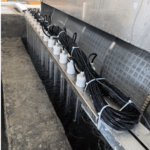
Channel-type UV Germicidal Lamp
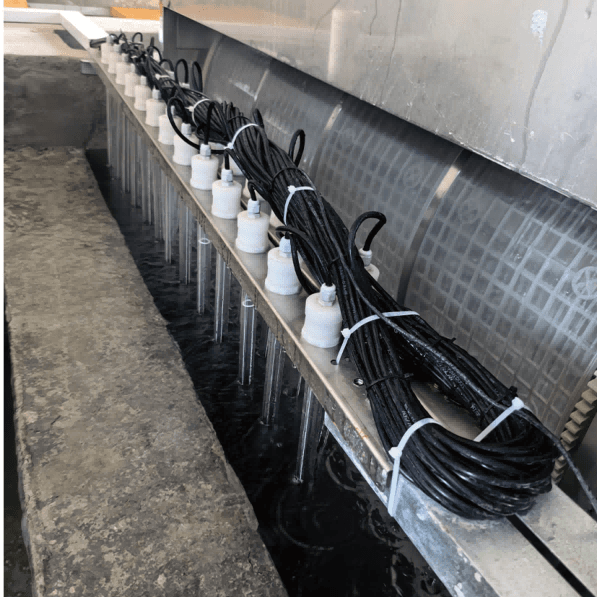
The channel-type UV sterilizer is installed above or along the side of an open water flow channel with specific width and depth parameters, delivering large-scale illumination directly to the water body.
High Capacity: Covers a large water surface area and is tailored for high-flow, open-water treatment to ensure uniform exposure to UV irradiation.
Application: Perfectly suited for large-scale recirculating aquaculture facilities, seawater desalination plants, and high-flow industrial applications.
Ozone Generators
Ozone O₃ is a powerful oxidant broadly utilized in the disinfection and sterilization processes of seawater recirculating aquaculture systems. It effectively oxidizes accumulated ammonia nitrogen and nitrite, degrades organic matter and colorants, and reduces overall Chemical Oxygen Demand (COD) without leaving secondary pollutants.
Adding an appropriate dosage of ozone helps regulate the microbial load in recirculating systems and maintains the stability of the aquatic microbial community. This significantly reduces the entry of pathogenic microorganisms into the system, effectively lowering disease risks.